

Have you ever encountered a recurring problem that just wouldn’t go away, no matter how many times you tried to fix it? What if there was a simple yet effective method that could help you identify the root cause of the issue and prevent it from happening again? Enter the 5 Whys technique, a powerful problem-solving tool that has revolutionized the way organizations tackle problems. In this article, we will explore how this technique can help you uncover the root causes of problems, leading to continuous improvement and better outcomes.
Key Takeaways
- The 5 Whys technique is a problem-solving method that allows you to identify the root cause of an issue by asking “why” repeatedly.
- It was developed within the Toyota Motor Corporation and has become a critical component of their problem-solving training.
- By asking “why” five times, teams can dig deep and uncover the underlying causes of problems, leading to more effective solutions.
- The 5 Whys technique is widely used in lean development and continuous improvement methodologies.
- Implementing the 5 Whys process involves holding problem-solving meetings immediately after a problem is resolved, inviting all relevant stakeholders to participate.
The Origin and History of the 5 Whys Technique
The 5 Whys technique has a rich history that traces back to the Toyota Motor Corporation and the visionary mind of Taiichi Ohno, the architect of the famous Toyota Production System. Ohno believed in a scientific approach to problem-solving, and the 5 Whys technique became a cornerstone of that philosophy.
Ohno recognized the importance of digging deep to uncover the root causes of problems rather than merely addressing surface-level issues. He encouraged his team to question everything and to ask “why” repeatedly, up to five times, until they reached the root cause. By doing so, they could better understand the nature of the problem and find effective solutions.
“Observe the production floor without preconceptions. Ask ‘why’ five times about every matter.” – Taiichi Ohno
Implementing the 5 Whys technique allowed Toyota to improve its manufacturing processes and eliminate waste systematically. The method became an integral part of the Toyota Production System, providing a structured approach to problem-solving and continuous improvement.
The success of Toyota’s lean approach and the application of the 5 Whys technique went beyond the automotive industry. Companies worldwide started adopting lean development and continuous improvement methodologies, recognizing the effectiveness of the 5 Whys in identifying and addressing the root causes of problems.
Today, the 5 Whys technique remains a widely used problem-solving tool. It continues to help organizations uncover deeper insights, drive continuous improvement, and foster a culture of problem-solving and innovation.
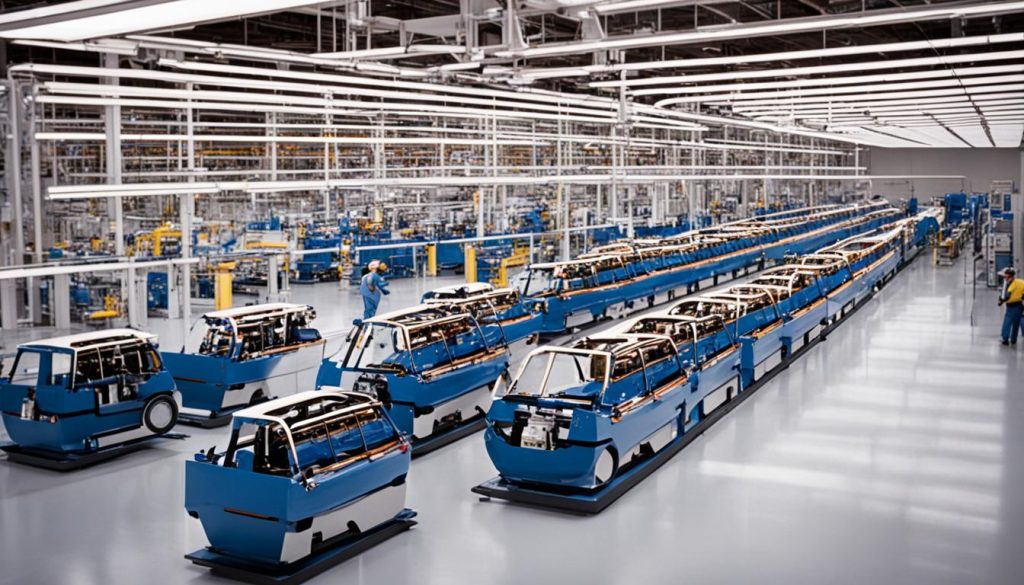
Digging Deeper: The Toyota Production System
To fully understand the origin and significance of the 5 Whys technique, it is essential to delve into the principles of the Toyota Production System (TPS). Developed by Taiichi Ohno and his team, TPS focuses on waste reduction, continuous improvement, and delivering value to customers.
At the core of the Toyota Production System is the concept of lean development, which aims to eliminate any activity or process that does not contribute value to the end product or service. The 5 Whys technique aligns perfectly with this lean philosophy, as it helps organizations identify and eliminate the root causes of waste and inefficiency.
By using the 5 Whys approach, companies can gain a deeper understanding of problems and create actionable solutions that address the underlying causes. This problem-solving technique enables teams to make incremental steps towards improvement and avoid future occurrence of similar issues.
Next Steps: Implementing the 5 Whys Technique
Now that you have learned about the history and significance of the 5 Whys technique, it’s time to explore how to implement it effectively within your own organization. In the next section, we will guide you through the process of holding problem-solving meetings, asking the right questions, and leveraging the 5 Whys to uncover root causes and drive continuous improvement.
How to Implement the 5 Whys Process
Implementing the 5 Whys process involves conducting problem-solving meetings immediately after resolving an issue. The objective is to uncover the root cause instead of placing blame. Start by inviting all individuals affected or involved in the problem to participate in the meeting. To guide the discussion, assign a facilitator known as the 5 Whys master who will ask the “why” questions. As a team, work collaboratively to answer these questions and delve deeper into the problem, typically reaching five levels of “whys”.
Once the exercise is complete, the team will identify actionable steps and assign responsibilities for implementing corrective actions. It is crucial to share the results and findings with the entire team to ensure transparency and learning. This iterative process enables teams to identify and address the root causes of problems, leading to continuous improvement and preventing recurring issues. By embracing incremental steps, your organization can foster a culture of problem-solving and drive sustainable solutions.
FAQ
What is the 5 Whys technique?
Where did the 5 Whys technique originate?
How is the 5 Whys technique implemented?
Source Links
- https://status.net/articles/five-whys-uncover-root-causes-examples/
- https://buffer.com/resources/5-whys-process/
- https://businessmap.io/lean-management/improvement/5-whys-analysis-tool